What Is the Best Nozzle Cutting Machine From China?
Choosing the best Nozzle Cutting Machine from China requires more than comparing prices or laser power. The real test appears at the cutting head, where nozzle alignment, gas flow, heat control, and repeatability affect every finished part. A small burr can signal poor calibration. A widened kerf can increase material waste.
Market evidence shows why this decision deserves careful research. Fortune Business Insights valued the global laser cutting machine market at about USD 7.48 billion in 2024. It projects the market to reach approximately USD 11.11 billion by 2032. MarketsandMarkets reports different figures, estimating growth from USD 5.4 billion in 2023 to USD 8.6 billion by 2028. These reports use different methods, so their numbers should not be treated as exact. Still, both indicate strong industrial demand.
John F. Powell, a recognized laser-cutting specialist and author of CO2 Laser Cutting, offered a practical warning: “A laser is a tool, not a magic wand.” That point matters when evaluating Chinese manufacturers. A reliable supplier should provide cutting samples, nozzle specifications, tolerance data, maintenance guidance, and responsive technical support. Ask to inspect the machine’s control cabinet and observe a live test. Check stainless steel edges, mild-steel pierce marks, and nozzle wear after extended operation.
The cheapest option may not be the best one. Sometimes, it becomes expensive later. Service quality, spare-part availability, operator training, and documented quality control often decide the machine’s true value. A careful buyer should compare evidence, not promises.
What Is a Nozzle Cutting Machine and How Does It Work?
What Is a Nozzle Cutting Machine and How Does It Work?
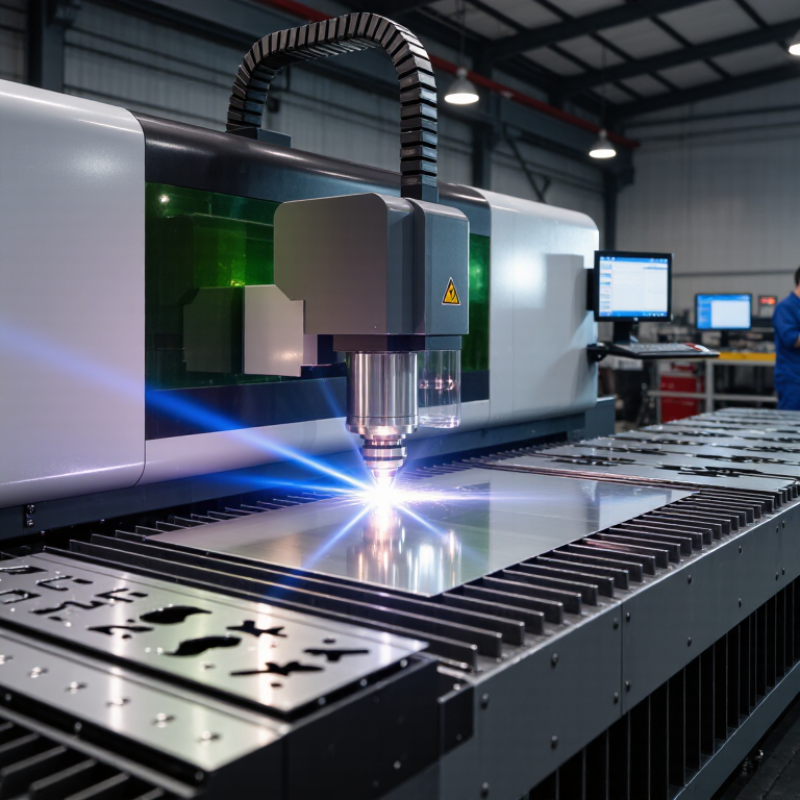
A nozzle cutting machine is usually a CNC laser or plasma cutter fitted with a controlled cutting nozzle. The nozzle directs laser energy or ionized gas toward metal. It also guides assist gas, such as oxygen, nitrogen, or compressed air. This gas removes molten material from the kerf. The CNC controller follows digital drawings and adjusts speed, power, height, and gas pressure. The process looks clean from a distance. Up close, heat marks and tiny burrs still matter.
During cutting, a height sensor keeps the nozzle near the sheet surface. A piercing cycle creates the first opening, then the cutting head follows the programmed path. Different metals require different settings. Stainless steel often benefits from nitrogen, while mild steel may use oxygen for faster cutting. Nozzle diameter, stand-off distance, and centering accuracy directly affect edge quality. A misaligned nozzle can produce a slanted cut. It can also waste expensive gas.
Industry reports show why this equipment is receiving attention. Grand View Research estimated the global laser cutting machine market at about 6.83 billion US dollars in 2023, with continued growth expected through 2030. MarketsandMarkets also identifies automation and digitally controlled cutting as major market drivers in its 2024 industry analysis. These figures describe the wider market, not every nozzle machine. That distinction matters. In practice, buyers should test real material samples, measure kerf width, and inspect pierced holes before choosing a Chinese machine. A polished brochure is not enough.
What Is the Best Nozzle Cutting Machine From China?
Typical Plasma Nozzle Selection by Mild Steel Thickness
A nozzle cutting machine uses a focused plasma arc and a high-speed gas jet to melt and remove metal. The nozzle orifice must match the cutting current and material thickness. The chart below shows common starting points for air-plasma cutting mild steel; exact settings vary by machine power, torch design, gas pressure, and cutting speed.
Smaller orifices are generally used for lower-current, thinner-sheet work, while larger orifices support higher-current cutting on thicker material. A reliable machine should provide stable arc control, compatible consumables, consistent gas delivery, and adjustable cutting parameters.
What Features Define the Best Nozzle Cutting Machine?
The best nozzle cutting machine is defined by controlled accuracy, not impressive speed alone. It should hold tight tolerances across stainless steel, aluminum, and mild steel. A rigid frame reduces vibration during repeated cuts. Servo-driven movement also helps maintain stable positioning around curved nozzle profiles. Small details matter.
A practical machine should include automatic height sensing, adjustable cutting parameters, and a clear control interface. These features reduce setup errors when nozzle diameters or wall thicknesses change. Watch the kerf carefully. A clean edge with minimal burrs means less grinding and faster assembly. Effective fume extraction and enclosed cutting areas protect operators and keep the workshop cleaner. Safety interlocks should be easy to inspect, not hidden behind complicated menus.
Reliability depends on more than hardware. Look for accessible guide rails, replaceable consumables, calibration records, and responsive technical support. I would test several sample nozzles before purchase, including thin and uneven pieces. One trial may reveal heat distortion that a brochure never mentions. Maintenance access is often overlooked. If cleaning the optical path requires removing half the machine, downtime will grow. Even a precise system can disappoint when operators lack training or the software receives poor measurements. A dependable supplier should provide operating instructions, service documentation, and realistic accuracy data instead of vague claims.
How to Compare Chinese Nozzle Cutting Machine Manufacturers?
When comparing Chinese nozzle cutting machine manufacturers, do not begin with the lowest quotation. MarketsandMarkets estimates the global laser cutting machine market will grow from about USD 5.8 billion in 2023 to USD 8.9 billion by 2028. This expansion attracts capable factories and inexperienced assemblers. A serious comparison should examine production records, engineering depth, and after-sales response.
Request a live cutting test using your actual materials. Try 1 mm stainless steel, 6 mm carbon steel, and repeated small holes. Measure edge roughness, kerf width, cutting speed, and nozzle wear. Ask whether the factory records positioning accuracy under ISO 230-2 testing conditions. Also inspect the workshop. Clean assembly areas, calibrated instruments, and traceable inspection reports reveal more than polished brochures.
Service evidence matters.
The International Federation of Robotics reported 541,302 industrial robots were installed worldwide in 2023. This reflects rising automation demand, but it does not prove every supplier offers reliable integration. Compare spare-part availability, remote diagnostics, technician training, and response times in writing. Request references from customers with similar production volumes. A three-year warranty sounds useful, yet unclear exclusions can weaken it. I would also compare total operating cost over five years, including lenses, nozzles, maintenance, electricity, and downtime. A spreadsheet can still lie. Test results may vary between shifts, operators, and materials, so repeat the trial before signing.
How to Select the Right Machine for Your Production Needs?
What Is the Best Nozzle Cutting Machine From China?
The best nozzle cutting machine depends on your production needs, not its advertised power. Start with the material, nozzle shape, thickness, and daily workload. A workshop cutting stainless steel tubes needs different equipment from a factory processing aluminum fittings. Measure your current parts carefully. A two-millimeter error can create costly rejects.
Check the machine’s cutting method, positioning accuracy, and compatible software. Ask for sample cuts using your actual material. Inspect the edge under bright light. Look for burrs, heat marks, uneven corners, and distorted holes.
Production speed matters, but stable accuracy matters more. Review service response times, spare-part availability, training, and machine documentation. A low purchase price may become expensive when downtime begins. Ask for a clear test report, not only attractive videos. Real evidence is useful.
Tips: Build a simple comparison sheet before contacting suppliers. Record cutting speed, tolerance, power use, setup time, and maintenance needs. Confirm whether the machine fits your floor space and electrical capacity. Leave room for loading and safe operator movement. Speak with the technical team about difficult shapes, because standard samples can hide limitations. Also, do not ignore operator feedback. They notice vibration, awkward controls, and cleaning problems first. A perfect choice rarely exists. Your decision may still need revision after a month of production.