What Is the Best Water Purification System in 2026?
Choosing the best Water Purification System in 2026 is not as simple as comparing prices or counting filtration stages. Water quality changes by location, building age, and household needs. A family using well water faces different concerns than an apartment resident with treated municipal water. Taste, lead, bacteria, PFAS, hardness, and sediment may require different solutions.
A trustworthy comparison should begin with a recent water test. Check the laboratory report before buying equipment. Look for independent certifications, such as NSF/ANSI standards, and verify the exact contaminants the system can reduce. A carbon filter may improve chlorine taste, while reverse osmosis can address many dissolved substances. However, it may waste water and remove useful minerals. Ultraviolet treatment can target microorganisms, but it does not remove chemicals or sediment. The details matter.
This guide examines performance, maintenance, installation, operating cost, and verified claims. It also considers practical moments, such as replacing a cartridge under a kitchen sink or noticing declining water pressure during cooking. No single system is best for every home. That is worth admitting. Product labels can sound impressive, yet real results depend on correct installation and timely maintenance. Even the most advanced unit can fail when filters are ignored. By comparing evidence, household conditions, and long-term value, this review aims to make the 2026 decision clearer, safer, and more realistic. Some recommendations may still require reflection after local testing. That is the responsible approach.
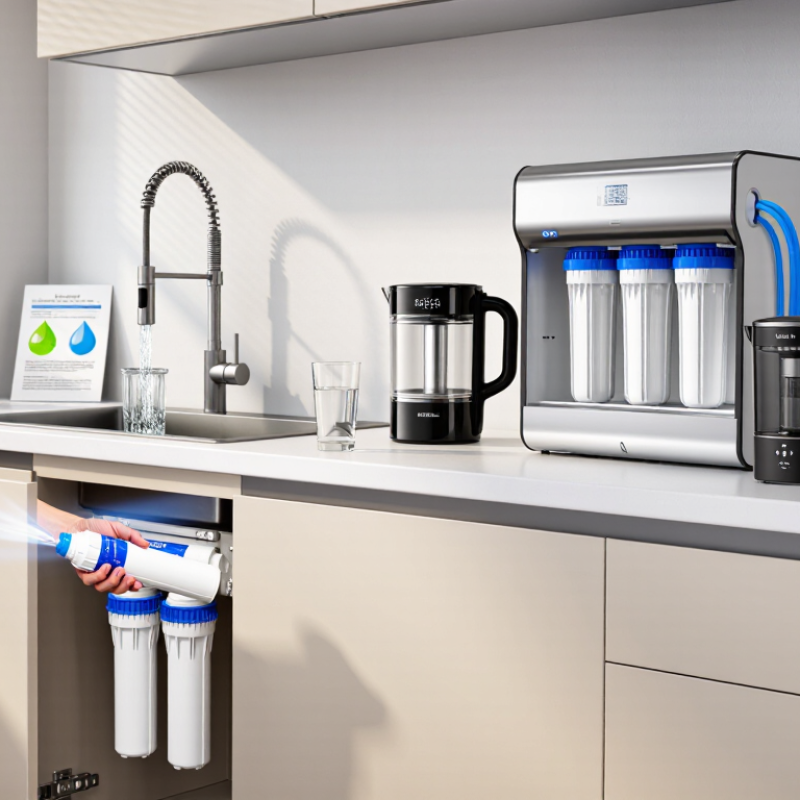
Water Purification Systems: Definition and Core Purification Goals
What Is the Best Water Purification System in 2026?
Water Purification Systems: Definition and Core Purification Goals
A water purification system removes or reduces unwanted substances from water. These may include microbes, sediment, metals, salts, and chemical residues. The best design depends on the source water, intended use, and measured risks. No single system is universally best.
The core goal is safe, consistent water quality. The WHO Guidelines for Drinking-water Quality place microbial safety at the highest public-health priority. Their framework also recommends health-based targets, treatment controls, and continuous monitoring. In practical testing, this means checking raw water before selecting equipment. A clear glass can still hide dissolved contaminants.
The numbers remain serious. The WHO and UNICEF Joint Monitoring Programme reported that 2.2 billion people lacked safely managed drinking water in 2022. About 703 million people lacked even a basic drinking-water service. These findings show why purification must address access, reliability, and contamination control together.
Common treatment stages include sediment filtration, activated carbon, disinfection, and membrane separation. Each stage has limits. Carbon can improve taste but may not remove every pathogen. Membranes can reduce salts but require pressure, maintenance, and wastewater management. The U.S. Environmental Protection Agency emphasizes performance verification and proper operation, not technology labels alone.
A useful evaluation asks four questions: What is present? What must be removed? How will performance be verified? Who will maintain the system? Maintenance is often underestimated. That weakness can turn good equipment into poor protection. Even reliable systems need replacement schedules, testing records, and honest review when results change.
How Major Water Purification Technologies Work
What Is the Best Water Purification System in 2026?
Water purification is not a single machine. It is a treatment chain, and the best choice depends on the source water. The WHO and UNICEF Joint Monitoring Programme reported that 2.2 billion people lacked safely managed drinking water in 2022. That figure makes treatment design more important than marketing claims.
Coagulation gathers tiny particles into larger flakes, which can settle more easily. Sand and membrane filters then remove suspended matter. Activated carbon can reduce chlorine, odors, and many organic chemicals through adsorption. Reverse osmosis pushes water through a very fine membrane, reducing dissolved salts, metals, and several contaminants. However, it creates reject water and needs pressure. Ultraviolet treatment can disable many microorganisms, but it does not remove chemicals or cloudy particles. The U.S. Environmental Protection Agency stresses that treatment performance depends on testing, maintenance, and certified claims. No system is perfect.
Tips: Test the water before choosing equipment. Check hardness, nitrate, lead, microbial risks, and pressure. Replace cartridges on schedule. A neglected filter may become a dirty storage tank. Keep a simple maintenance record. The 2024 WHO Guidelines for Drinking-water Quality also support risk-based management, from the source to the tap. I would not choose reverse osmosis automatically. It may be excessive for already safe water, while ultraviolet treatment may fail when turbidity blocks the light. Professional testing remains the sensible starting point.
How to Compare Performance, Cost, and Maintenance
What Is the Best Water Purification System in 2026?
The best system depends on the water problem, not the sales label. The WHO and UNICEF Joint Monitoring Programme reported that 2.2 billion people lacked safely managed drinking water in 2022. That figure makes performance more than a convenience issue. Test the incoming water first. A laboratory report can reveal lead, nitrate, hardness, microbes, or unpleasant taste. Each contaminant needs different treatment.
Compare certified reduction claims, flow rate, recovery ratio, and operating pressure. NSF/ANSI 42 covers aesthetic issues, while NSF/ANSI 53 addresses selected health-related contaminants. Reverse osmosis can remove many dissolved substances, but it may waste water. The U.S. EPA notes that conventional point-of-use systems can discharge five gallons or more for every gallon treated. EPA WaterSense criteria reduce that limit to 2.3 gallons or less. Look beyond the sticker. Certification must match the contaminant.
Cost comparison should include cartridges, electricity, wastewater, testing, and professional installation. Maintenance is the test. EPA guidance recommends replacing filters according to measured performance and manufacturer instructions, not appearance alone. A clogged cartridge can reduce flow and invite poor habits. I would record filter dates and pressure changes on a paper log. It is simple, but easy to ignore. My own comparison would also allow for error: household demand changes, test results have limits, and the cheapest purchase may create the highest long-term cost.
Choosing the Best System for Different Water Sources
What Is the Best Water Purification System in 2026?
Choosing the Best System for Different Water Sources
The best water purification system depends on what enters your pipes. Municipal water usually contains disinfectant, sediment, and aging-pipe residues. A certified activated carbon filter can reduce chlorine taste and many organic contaminants. Check its performance claims carefully. “Improves water quality” is too vague.
Private wells require more evidence before choosing equipment. Test for bacteria, nitrates, arsenic, lead, and hardness through an accredited laboratory. A sediment filter protects later stages from sand and rust. Ultraviolet treatment can address microorganisms, but it needs clear water and reliable electricity. Reverse osmosis may reduce dissolved salts and several chemical contaminants, although it produces wastewater and removes beneficial minerals.
Rainwater and surface water need stronger pretreatment. Leaves, soil, animal waste, and changing contamination levels create real risks. Use screened collection, sediment control, disinfection, and laboratory verification. Do not rely on taste or clarity. Clear water can still be unsafe.
Water conditions change.
In practical home assessments, maintenance is often the weak point. Filters become less effective when replacement dates are forgotten. A system should include accessible housings, measured flow, and a written service schedule. Independent testing against recognized standards adds confidence, but no certificate replaces source-specific testing. I would avoid selecting equipment from a sales claim alone. Even careful recommendations have limits, especially after flooding, construction, or a change in well depth.
What Is the Best Water Purification System in 2026?
Choosing the Best System for Different Water Sources
Total dissolved solids (TDS) is a useful starting point, but it does not identify every contaminant. Rainwater and surface water commonly need sediment control and reliable disinfection, while municipal water often benefits from activated carbon for taste and odor. Private wells require laboratory testing and may need iron, manganese, hardness, nitrate, or reverse-osmosis treatment. Brackish and seawater sources generally require reverse osmosis with effective pretreatment.
The ranges shown are indicative planning ranges rather than guarantees. Actual results vary by location, season, plumbing, and source conditions. Test the water before selecting a purification system.
Installation, Testing, and Long-Term Safe Use
What Is the Best Water Purification System in 2026?
Installation, Testing, and Long-Term Safe Use
The best system depends on the water entering your home. The WHO/UNICEF JMP 2024 report found that 2.2 billion people lacked safely managed drinking water in 2022. That figure supports caution, not panic. Start with a laboratory test for bacteria, nitrate, lead, arsenic, hardness, and other local concerns. A filter cannot remove every contaminant.
Installation should match the test results. Cartridges certified under NSF/ANSI 42 address aesthetic issues, while NSF/ANSI 53 covers specific health contaminants. Reverse osmosis systems generally follow NSF/ANSI 58 requirements.
Place the unit where leaks are visible and servicing is practical. Keep tubing away from wastewater connections. A small installation mistake can contaminate clean water.
Test the source again after plumbing changes, flooding, or unusual taste and odor. For private wells, the CDC recommends testing at least annually. Record filter changes, test dates, pressure readings, and any repairs. Replace cartridges on schedule, even when water looks clear. Invisible contaminants remain invisible. A useful reflection is that many homeowners test once, then forget the system for years. That is not safe maintenance. Water quality can change, and treatment performance can decline quietly. Regular records and independent testing provide stronger protection than appearance alone.