top of page

How to Choose the Best Sit To Stand Lift in 2026?

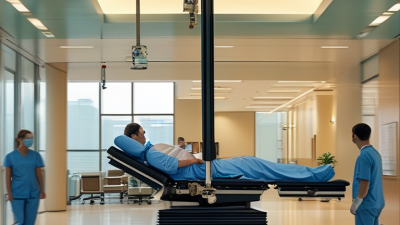
Choosing the best Sit To Stand Lift in 2026 requires more than comparing prices, weight limits, and product photos. The right lift should match the user’s strength, balance, transfer ability, home layout, and daily routine. A narrow bathroom may demand a compact frame, while a heavier user may need stronger support and a wider base. Small details matter. Can the user grip the handles? Can the caregiver adjust the lift without bending awkwardly? Does the device move smoothly across carpet?

Rehabilitation engineering expert Dr. Rory Cooper emphasizes, “The user should be an active participant in decisions about mobility.” That principle should guide every purchase. A Sit To Stand Lift is not merely equipment beside a bed. It becomes part of a person’s morning, dignity, safety, and independence. Caregivers should test the lift with a qualified professional whenever possible. Manufacturer instructions also deserve careful attention.

Do not choose by marketing language alone. “Easy transfer” can mean different things. One model may feel stable in a clinic but awkward beside a household toilet. Another may look powerful yet require more upper-body effort than expected. Measure doorways, chair heights, and turning spaces before ordering. Then compare sling options, emergency lowering features, battery access, warranty coverage, and service support. Some choices remain imperfect. The best decision usually balances comfort, safety, usability, and realistic daily experience.
How to Choose the Best Sit To Stand Lift in 2026?

What Is a Sit-to-Stand Lift and Who Needs One?

How to Choose the Best Sit To Stand Lift in 2026?

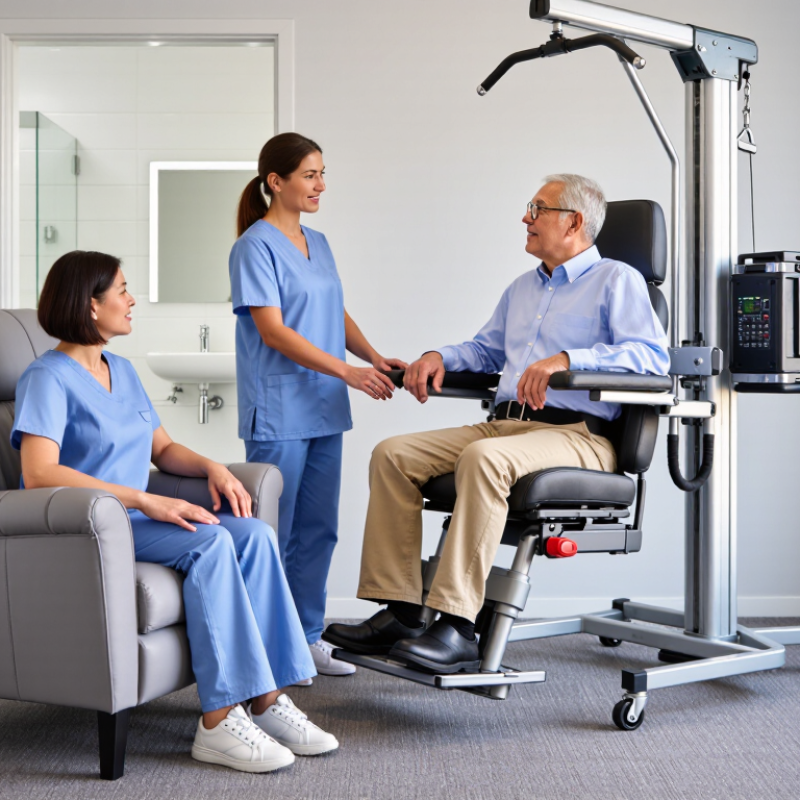
A sit-to-stand lift is a powered or manual transfer device. It helps a person move from sitting to standing with controlled support. The user places their feet on a platform, holds the handles, and rests their knees against a padded support. The lift then assists the standing motion. It can support transfers between a bed, wheelchair, recliner, or toilet.

This equipment may suit older adults or people recovering from surgery, stroke, or muscle weakness. The user should usually bear some weight, follow simple instructions, and maintain reasonable trunk control. It is not designed for someone who cannot bear weight at all or has highly unpredictable balance. A clinician or trained caregiver should assess safety before purchase. Needs can change quickly, which makes choosing only by price a weak decision.

Tips: Check the lift’s weight capacity, platform size, turning space, emergency lowering feature, and battery access. Measure doorways and bathroom clearance first. Practice with a trained caregiver. The movement may feel awkward at first. Knee pads, handle height, and foot placement matter more than many buyers expect. A lift is helpful, but it does not replace supervision or a proper transfer plan.

Which Types of Sit-to-Stand Lifts Are Available in 2026?

How to Choose the Best Sit To Stand Lift in 2026?

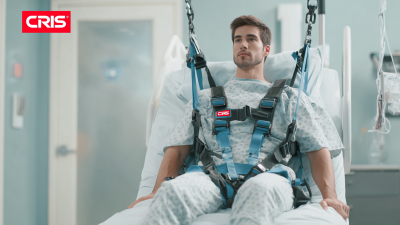
Sit-to-stand lifts now come in several practical forms. Manual stand-assist devices suit users with good upper-body strength and partial weight-bearing ability. They usually have a knee pad, foot platform, and support handles. Powered mobile lifts add motorized lifting, adjustable leg supports, and caregiver controls. They help when strength changes during the day. Some models use a short support sling, while others rely on a padded belt.

Full-body mobile lifts are different. They support users who cannot safely bear weight, but they are not true sit-to-stand devices. Ceiling-mounted lifts can reduce floor obstacles, especially in narrow bedrooms. However, installation and room structure matter. The World Health Organization reports that about 1.3 billion people experience significant disability worldwide. That figure shows why one lift type cannot fit every home or care setting.

Tips: Match the lift to transfer ability, not diagnosis alone. Check weight capacity, knee alignment, turning space, battery access, and emergency lowering. A powered lift is not automatically safer. Poor sling positioning can still cause discomfort or sliding. Caregivers should test the device with a trained therapist before daily use. In my view, many buying guides understate the human factor. A patient may manage three steps today, then need full support tomorrow. Reassess regularly.

How to Assess Patient Safety, Comfort, and Mobility Needs

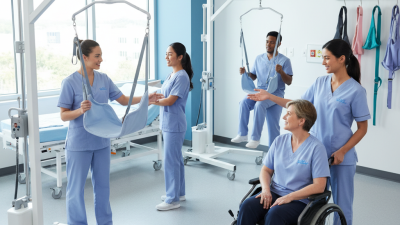
Choosing the best sit-to-stand lift in 2026 starts with the patient, not the equipment. The patient should usually bear some weight, follow simple instructions, and maintain enough trunk control. A licensed clinician should assess transfers, fatigue, cognition, fall history, and pain. CDC/NIOSH identifies patient handling as a major source of musculoskeletal injuries among healthcare workers. OSHA also recommends mechanical assistance when manual lifting creates avoidable risk.

Safety details matter during a busy transfer. Check the lift’s weight capacity, emergency lowering system, battery condition, wheel locks, and stability. The knee pad should support without pressing painfully against the legs. Handles must allow a firm, neutral grip. AHRQ evidence reviews indicate that mechanical lifting equipment can reduce caregiver injury when staff receive proper training and follow safe-handling procedures.

Training is not optional.

Comfort is more than soft padding. Ask whether the patient feels exposed, rushed, or unstable. Watch the face, not only the checklist. For mobility needs, measure doorway width, bed height, toilet position, turning space, and floor surfaces. A compact lift may work beside a bed but fail in a narrow bathroom.

That reality is often missed. I would reject a feature-rich device if the patient cannot reach its handles or cannot pause safely halfway up.

No lift fits every body. Reassessment is necessary after illness, surgery, or declining strength.

How to Compare Lift Features, Weight Limits, and Adjustability

Choosing a sit-to-stand lift requires more than checking its maximum weight. The WHO and UNICEF Global Report on Assistive Technology (2022) estimates that over 2.5 billion people need at least one assistive product. That demand makes proper fitting essential. Select a lift with a capacity comfortably above the user’s current weight, not just equal to it. Clothing, shoes, fatigue, and weight changes can affect safety.

Capacity is not comfort.

Compare the base width, footplate size, knee-pad position, handle height, and lifting range. Adjustable knee pads should support the legs without pressing painfully below the kneecap. Handles should allow a natural grip, especially for users with weak wrists or uneven strength. Check whether the base fits around a wheelchair and through the bathroom doorway. The U.S. Bureau of Labor Statistics reported about 5.5 cases of days-away-from-work injuries per 100 full-time workers in nursing and residential care facilities in 2022. Poor transfers can affect caregivers too. Testing should follow recognized requirements, such as ISO 10535:2021 for patient lifting equipment. Still, standards cannot replace a real trial. That part is often overlooked. Have a trained therapist or caregiver test the lift with the user, footwear, and usual transfer route. A model may look adjustable on paper, yet feel unstable in practice.

How to Evaluate Installation, Maintenance, Cost, and Warranty Support

How to Choose the Best Sit To Stand Lift in 2026?

Installation should fit the room, not force the room to fit the equipment. Measure doorways, turning space, floor clearance, and transfer height before ordering. Leave extra room. Ask whether trained technicians will complete setup and test emergency lowering. A qualified installer should also explain safe positioning, sling selection, and user weight limits. Do not rely on a quick demonstration.

Maintenance affects safety and ownership costs. Check how often batteries, casters, slings, and lifting mechanisms require inspection. Daily checks should include loose parts, unusual sounds, damaged straps, and battery indicators. Keep service records, even for minor adjustments. I once underestimated battery replacement costs because the original estimate covered only routine servicing. That mistake changed the real budget.

Compare the complete cost, including delivery, installation, training, replacement parts, and future labor. A lower purchase price may hide expensive accessories or restricted service coverage. Request a written warranty with clear terms. Confirm its duration, exclusions, response time, and whether travel fees apply. Ask how quickly essential parts can be supplied. Support matters. If the lift stops working, delayed assistance can disrupt care and increase physical strain. Recheck every promise in writing, because verbal assurances are easy to misunderstand.

How to Choose the Best Sit To Stand Lift in 2026? - How to Evaluate Installation, Maintenance, Cost, and Warranty Support

Lift Category Typical Safe Working Load Installation Requirements Typical Purchase Cost
(USD)
Estimated Annual Maintenance
(USD)
Routine Maintenance Typical Warranty Coverage Support and Parts Availability Best Fit Overall Evaluation
Compact Manual Sit-to-Stand Lift Approximately 300–400 lb
(136–181 kg)
Usually ships mostly assembled; requires basic handle, knee pad, and footplate installation. No electrical connection. $700–$1,500 $50–$150 Inspect casters, frame, knee pad, hand grips, and fasteners. Check the manual hydraulic pump for leaks and smooth operation. Frame: commonly 2–5 years
Components: commonly 1 year
Simple mechanical parts are generally easy to source. Local service capability is helpful but not always required. Budget-conscious home users and facilities transferring users who can bear part of their weight. Best value for low-frequency use
Electric Sit-to-Stand Lift Approximately 300–450 lb
(136–204 kg)
Basic assembly is normally required. Battery charging station and a nearby grounded outlet should be available. $1,500–$3,500 $150–$350 Inspect casters and frame; test emergency stop, hand control, actuator, battery condition, charging function, and audible alarms where fitted. Frame: commonly 3–5 years
Electrical parts: commonly 1–2 years
Replacement batteries and actuators should be confirmed before purchase. Technician access is recommended for electrical faults. Homes, assisted-living settings, and care facilities requiring frequent transfers with reduced caregiver effort. Strong all-round option
Heavy-Duty Electric Sit-to-Stand Lift Approximately 400–600 lb
(181–272 kg)
More extensive assembly may be needed because of the larger frame and heavier components. Verify doorway and turning clearances. $2,500–$5,500 $250–$600 Perform frequent inspections of welds, casters, spreader points, actuator, battery, emergency lowering system, and load-bearing accessories. Frame: commonly 3–5 years
Electrical parts: commonly 1–2 years
Specialist service support is important. Confirm local technicians, spare-part lead times, and a documented preventive-maintenance schedule. Facilities serving higher-weight users or performing many transfers each day. Best for capacity and durability
Foldable or Portable Sit-to-Stand Lift Approximately 250–350 lb
(113–159 kg)
Minimal installation; folding locks, wheels, knee pad, and battery or control components must be checked before use. $1,200–$3,000 $100–$300 Check folding joints, locking mechanisms, wheel brakes, battery, frame alignment, and all contact points before each transfer. Frame: commonly 2–5 years
Battery and accessories: commonly 1 year
Portability can increase wear on hinges and wheels. Confirm that replacement folding hardware and batteries are available. Travel, small homes, temporary care arrangements, and users needing convenient storage. Best for limited space
Reclining or Multi-Position Stand-Assist Lift Approximately 300–450 lb
(136–204 kg)
Requires careful assembly of powered positioning components. Confirm chair, bed, toilet, and wheelchair clearances. $2,500–$6,000 $250–$650 Inspect upholstery and support surfaces; test actuators, controls, emergency lowering, battery, brakes, and positioning straps. Frame: commonly 3–5 years
Powered components: commonly 1–2 years
Requires broader parts support because it has more moving and powered components. Installation and user training are highly desirable. Users needing additional positioning support or transfers between several seated and semi-reclined surfaces. Best for versatility
Evaluation Notes: Price and maintenance figures are typical 2026 planning ranges in U.S. dollars and vary by capacity, configuration, shipping, installation, service location, and regulatory requirements. Always verify the manufacturer's stated safe working load, inspection interval, emergency-lowering method, battery replacement policy, warranty exclusions, response time, and local service coverage before purchase.
bottom of page