How to Choose the Best Standing Lift for Your Needs?
Choosing the right Standing Lift is vital for improving mobility and independence in individuals with limited mobility. The global demand for Standing Lifts has surged, with market research by Grand View Research projecting a compound annual growth rate of 6.5% from 2021 to 2028. This growth reflects an increasing awareness of the benefits of mobility aids.
Dr. Emily Carson, a renowned expert in assistive technologies, emphasizes, “Selecting the appropriate Standing Lift can profoundly change a person's quality of life.” It’s essential to consider various factors when making your choice. Safety features, weight capacity, and user comfort are crucial. Each individual's needs are unique, highlighting the importance of personal evaluation.
Additionally, some Standing Lifts may lack adequate support for users with complex needs. This can limit their effectiveness. Reflecting on these challenges, it's clear that while Standing Lifts offer significant benefits, careful consideration is needed to ensure the best possible fit for each individual. Evaluating available options isn't just a task; it's a responsibility to ensure safety and well-being.
Understanding the Different Types of Standing Lifts Available
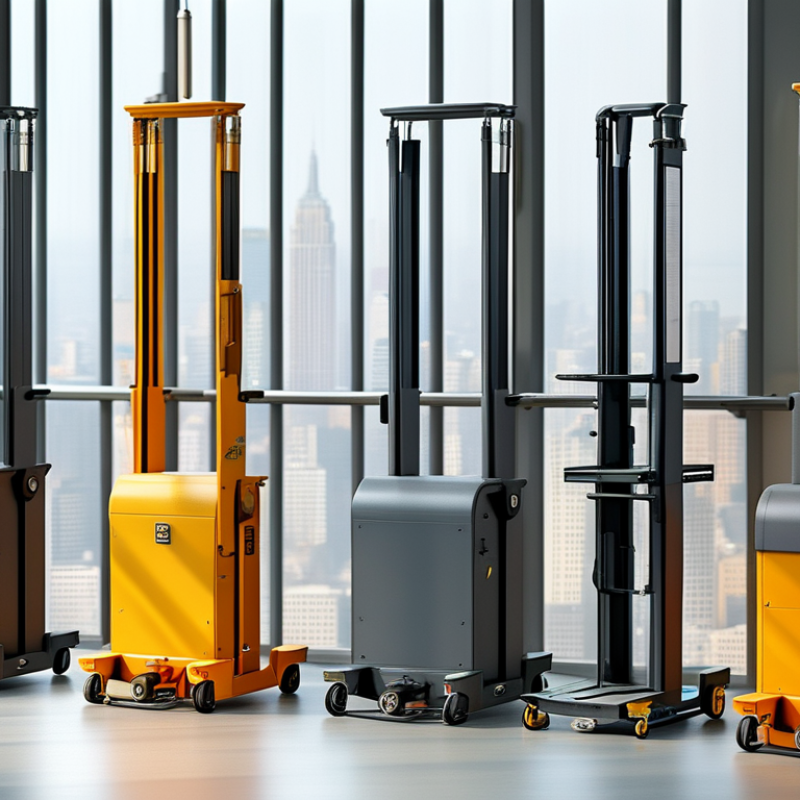
When selecting a standing lift, it's crucial to understand the different types available. Generally, standing lifts fall into three main categories: manual, electric, and hybrid. Manual lifts require physical effort for adjustment, making them less convenient. In contrast, electric lifts use motors for operation, offering ease and versatility. Hybrid lifts combine elements of both, catering to varied needs.
Research indicates that the electric standing lift is gaining popularity, with a market growth rate projected at 8.5% annually. This rise reflects a growing awareness of mobility challenges. Electric lifts provide features like adjustable height and user-friendly controls, appealing to caregivers and users alike. This technology addresses accessibility concerns, but some users may find the learning curve steep.
Each type has its pros and cons. Manual lifts, while more budget-friendly, may exhaust caregivers. Electric options promise efficiency but often come with higher costs. It's essential to evaluate your specific needs and budget before making a choice. A mismatch may result in frustration or reduced user independence. Reflecting on these factors will lead to a more informed decision.
Assessing Your Individual Mobility and Support Needs
Choosing the right standing lift can feel overwhelming. It’s crucial to assess your individual mobility and support needs before making a decision. Consider factors such as your physical condition, strength, and stability. Each person's needs are unique, and what works for one may not be suitable for another.
Tips: Think about your daily activities. Do you need assistance transitioning between sitting and standing? Evaluate your home environment. Is there enough space for the lift? Your lifestyle and living situation play significant roles in determining the best option.
Support systems are crucial. Discuss your needs with healthcare professionals. They can provide personalized recommendations based on your medical history. Sometimes, the options seem daunting. Reflect on your comfort level with technology. Some models may have complex controls that could be challenging to use. Make sure you choose a lift that aligns with your confidence and capabilities.
Key Features to Consider When Choosing a Standing Lift
When selecting a standing lift, key features significantly impact usability and safety. Consider the weight capacity. Many models support 300 to 450 pounds. According to a survey by the American Physical Therapy Association, about 15% of users exceed typical weight limits, leading to issues with functionality. Check the lift's adjustable height range. This feature accommodates various user heights and ensures proper ergonomics.
Next, examine the base design. A wider base provides stability during use. Data from the National Institute on Aging shows that balance issues affect 60% of older adults. A stable base reduces accidents and increases confidence. Also, look for a lift with easy-to-use controls. Users should operate the lift without assistance. Complicated controls can lead to mistakes, increasing risks.
Finally, consider portability. Lifts that fold or have wheels enhance flexibility. A market analysis revealed that 40% of users prefer lifts that are easy to store. This reflects the growing need for convenience in home equipment. Each of these features plays a vital role in the effectiveness of a standing lift, emphasizing the importance of thorough evaluation before purchase.
Evaluating Cost vs. Benefit for Your Standing Lift Options
When evaluating the cost versus benefit of standing lifts, it’s essential to consider several factors. A 2022 market report indicated that standing lifts can cost between $1,500 to $5,000. This price range often reflects features such as weight capacity, portability, and build quality. For many users, investing in a higher-priced model means enhanced durability and safety features. These extra features can significantly reduce the risk of accidents, which ultimately contributes to long-term savings on medical costs.
User needs also play a critical role. Reports suggest that about 70% of users prioritize comfort and ease of use over accessory features. A standing lift that aligns with personal requirements will provide substantial benefits. However, many buyers may overlook the maintenance costs associated with these devices. Regular maintenance may add up to an additional $300 annually, impacting the overall financial responsibility. Assessing these ongoing costs is necessary for a well-rounded decision.
Finally, potential buyers should look beyond just the price tag. The value of improved mobility and independence can be life-changing. Research shows that 85% of users experienced enhanced quality of life after acquiring a standing lift. These qualitative benefits are often underappreciated in traditional cost-benefit analyses. Balancing initial costs with potential long-term health improvements often requires deep reflection and careful consideration.
Consulting Healthcare Professionals for Personalized Recommendations
When selecting a standing lift, consulting healthcare professionals is crucial. They can offer personalized recommendations tailored to unique needs. According to a 2021 study published in the Journal of Rehabilitation Medicine, patients who seek professional advice experience a 30% increase in satisfaction with their assistive devices.
Healthcare professionals assess mobility limitations and recommend options based on individual circumstances. They also provide valuable information about the latest models and features. Engaging with therapists can unveil aspects of standing lifts you may overlook. For instance, understanding how weight capacity affects safety and usability is vital.
Tips: Always consider your environment. The width of doorways and available space can dictate suitable models. Communicating any specific health concerns can also lead to better recommendations. Remember that not every recommendation suits all. Take the time to reflect on your unique needs and comfort levels before making a decision. Re-evaluating your choices regularly is essential, as your requirements may change over time.
Comparison of Key Features in Standing Lifts