5 Essential Tips for Choosing a Xenon Weathering Chamber?
Choosing the right xenon weathering chamber can be a daunting task. With numerous options on the market, it’s crucial to understand what to look for. These chambers simulate sunlight and weather conditions to test materials and products effectively.
Experience plays a vital role in making the right choice. Manufacturers with a proven track record often provide superior quality. Look for features such as customizable settings and reliable performance. Never underestimate the importance of regular maintenance, as this can affect the chamber's lifespan and results.
When you invest in a xenon weathering chamber, consider the long-term implications. Assess how the equipment aligns with your testing needs. Aim for a balance between cost and quality. This decision can impact your research and development outcomes. Prioritize finding an option that provides both reliability and innovation. The right choice can enhance your testing processes significantly.
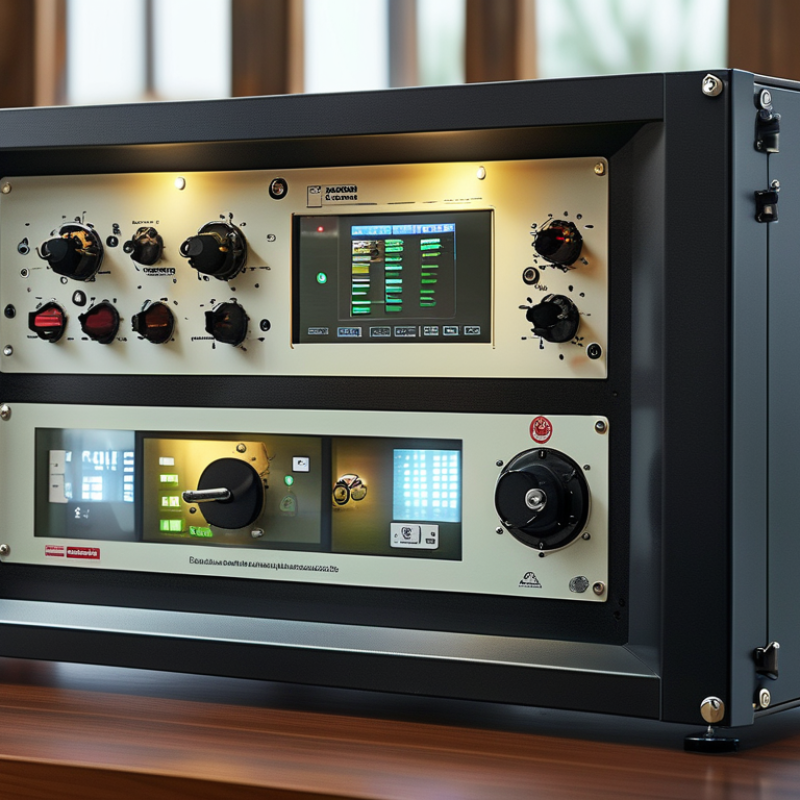
Understanding the Purpose of a Xenon Weathering Chamber
A Xenon weathering chamber simulates the effects of sunlight, temperature, and moisture on materials. This equipment is essential for testing product durability and performance. Understanding how it functions can help in choosing the right model.
The core purpose of a Xenon weathering chamber lies in its ability to accelerate aging processes. Manufacturers can predict how their products will fare under real-world conditions. For instance, plastics may degrade faster under intensified light exposure, unlike metals. This variability can guide product improvement. However, relying solely on these tests may lead to oversights in other environmental factors.
In selecting a chamber, consider factors like chamber size, light intensity, and temperature control. A larger chamber allows for more sample variety. An appropriate light intensity can mimic specific climates. Sometimes, manufacturers overlook these nuances. Balancing test parameters is crucial for accurate results. A careful evaluation of these features ensures better reliability in testing outcomes.
Key Features to Look for in a Xenon Weathering Chamber
When selecting a xenon weathering chamber, understanding key features is essential. These chambers simulate the damaging effects of sunlight and environmental conditions. According to the International Organization for Standardization (ISO), testing materials for UV resistance is vital for many industries, including automotive and construction.
Tip: Look for chambers that offer adjustable temperature and humidity settings. This flexibility allows for a more comprehensive assessment of materials under various conditions. A study by the American Society for Testing and Materials (ASTM) highlights that multi-environment testing enhances durability predictions.
Another crucial feature is the intensity control of the xenon lamp. Consistent light output mimics natural sunlight and improves test accuracy. Research shows that variations in light intensity can lead to misleading results. Features such as automatic shutoff and safety alarms further enhance the reliability of testing processes.
Tip: Ensure the chamber includes a data logging system. This allows easy monitoring of test conditions and results over time. Insightful data aids in making informed decisions about material performance, helping avoid costly mistakes in product development.
Evaluating the Size and Capacity Requirements
When selecting a xenon weathering chamber, understanding size and capacity is crucial. The proper dimensions can significantly impact your testing outcomes. Most chambers are designed for specific sample sizes, often ranging from small test specimens to larger components. According to the International Organization for Standardization (ISO), a typical size might accommodate up to two square meters of material, which facilitates diverse testing.
Evaluating your needs starts with identifying the materials you will test. Certain materials may require extensive space to simulate real-world exposure conditions effectively. A larger chamber can increase testing versatility but may lead to higher operational costs. Data from the ASTM International report indicates that chambers with adjustable capacity tend to yield more consistent results. However, balancing pressure and temperature can become complex in these systems.
Consideration of energy consumption is also essential. Increasing the chamber size generally increases energy use, which impacts long-term sustainability. Optimize the size based on frequency and type of testing. You may find that a smaller chamber meets your needs more efficiently. Reviewing empirical case studies can reveal insights into the performance of different chamber sizes. These reflections can guide future purchasing decisions, ensuring that the chosen chamber aligns with your testing requirements.
Exploring Different Control and Monitoring Options
When selecting a Xenon weathering chamber, control and monitoring options are crucial. One key feature to consider is real-time data logging. This allows users to track exposure levels continuously, ensuring accurate results. A chamber equipped with advanced sensors can provide precise measurements of UV intensity and temperature, but calibration is essential. Inaccurate readings can lead to flawed data and misinterpretations.
Additionally, look for user-friendly interfaces. A digital touchscreen can simplify navigation and control settings. However, not all interfaces are intuitive. Some can confuse operators, leading to operational errors. Regular training on the chamber's functionalities can mitigate this issue. Manual overrides are another important option. They enable adjustments during tests, yet they should be used cautiously. Unplanned changes could compromise the integrity of the testing process.
Integrating software solutions can enhance monitoring capabilities. Automated reports can save time and reduce human errors. Yet, over-reliance on automation can be a pitfall. It’s vital to periodically validate the system’s outputs against manual checks. This practice ensures the reliability of the testing environment, reinforcing the reliability of your findings over time.
Assessing Budget and Maintenance Considerations
When selecting a xenon weathering chamber, budget and maintenance are key factors. Budget constraints can impact your options significantly. It's crucial to set a realistic budget aligned with your testing needs. A basic chamber may suffice for simple tests. However, advanced features come at a higher price. Investing in quality often pays off, leading to longer-lasting performance.
Maintenance is frequently overlooked but essential. Regular upkeep prevents breakdowns and ensures consistent results. Consider the chamber's design for ease of maintenance. Some models have accessible components, making service simpler. Lack of proper maintenance can lead to inaccurate readings. This may affect your test outcomes and overall project reliability.
Evaluate the long-term costs. A lower purchase price may lead to higher maintenance expenses. Durability is vital; flimsy materials may require frequent repairs. Assess the manufacturer's reputation for customer support and repair services. Reliable manufacturers often provide better assistance when issues arise. This can save time and resources in the long run.
5 Essential Tips for Choosing a Xenon Weathering Chamber