Top Cordyceps Extract Suppliers How to Choose the Best One?
Choosing a top Cordyceps Extract supplier requires more than comparing prices or reading polished websites. Buyers should examine species identification, cultivation methods, extraction ratios, testing procedures, and supply-chain records. Cordyceps militaris and Cordyceps sinensis are not interchangeable materials. Their identities should appear clearly on product documents.
Mycologist Paul Stamets has said, “Fungi are the great recyclers of the planet.” This perspective matters when evaluating fungal ingredients. Responsible suppliers should explain how they cultivate, process, and protect their raw materials. Ask for a recent certificate of analysis, not a generic laboratory statement. It should report active compounds, microbial limits, heavy metals, pesticides, and residual solvents. Testing should come from an independent laboratory whenever possible.
Look closely at the details.
A reliable supplier also provides batch numbers, manufacturing dates, storage guidance, and traceability records. Clear answers usually indicate stronger technical control. Vague claims deserve caution. “High potency” means little without measurable compounds and defined testing methods. Some suppliers may present impressive extraction ratios, yet disclose few details about the finished extract.
No supplier is perfect. Documentation can contain gaps. I have learned that asking uncomfortable questions often reveals more than attractive packaging. Confirm whether the company follows recognized quality systems, maintains consistent production, and communicates responsibly about benefits. Avoid suppliers promising guaranteed medical results. Those claims weaken credibility and may signal poor compliance.
The best Cordyceps Extract partner combines transparent evidence, repeatable quality, sensible communication, and practical experience. Price still matters, but it should not lead the decision. A dependable supplier protects both product integrity and the buyer’s reputation.
What Are Cordyceps Extracts and Why Do Supplier Choices Matter?
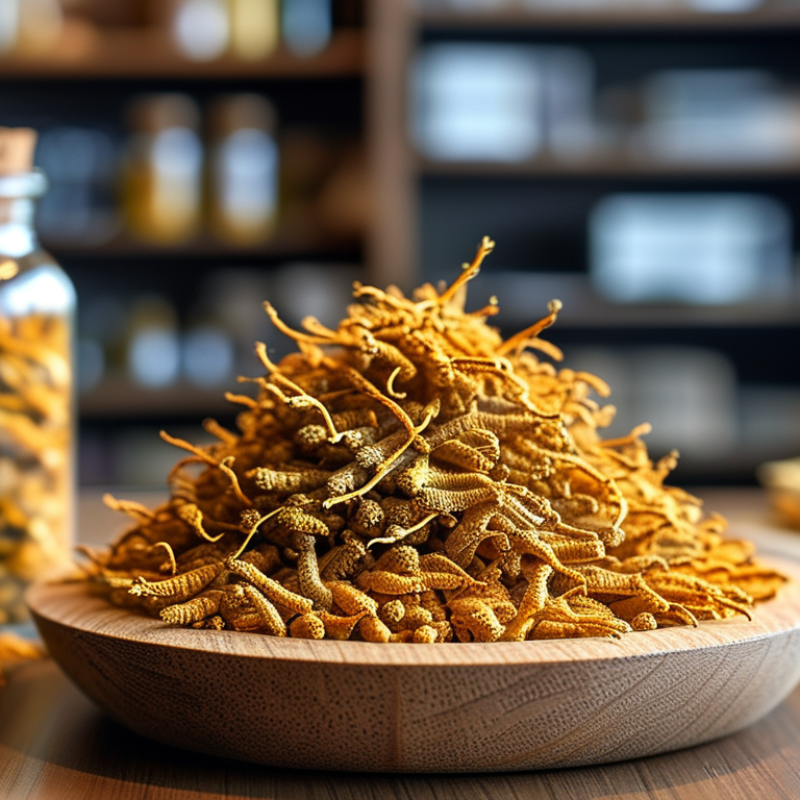
Cordyceps extracts are concentrated preparations made from cultivated fungal materials, often Cordyceps militaris. Hot-water extraction mainly targets polysaccharides, while alcohol-based methods may recover different compounds. The label matters. “Cordyceps” is not one chemical profile. Species, growing substrate, harvest stage, and drying temperature can change the final extract. The WHO Global Report on Traditional and Complementary Medicine found that 88% of Member States reported using traditional medicine. Its data also recorded traditional medicine use in 170 countries. However, popularity does not prove clinical effectiveness. That distinction is easy to miss.
Supplier choices matter because a mushroom powder and a standardized extract are not interchangeable. A dependable supplier should provide lot-specific identity testing, extraction ratios, beta-glucan results, moisture levels, heavy-metal testing, microbial limits, and pesticide screening. Ask for independent laboratory certificates. Check the test method, detection limit, and sample date. The U.S. FDA states that dietary supplements are not approved for safety and effectiveness before marketing. Therefore, supplier documentation supports risk assessment, but it is not automatic proof of quality. I would not trust a glossy certificate alone. One batch may pass while another changes. Look for traceability from culture vessel to sealed container, retained samples, and stability records. NIH’s 2022 National Health Interview Survey reported that 36.7% of U.S. adults used complementary health approaches, showing substantial consumer interest and a clear need for careful sourcing.
Which Quality Standards Define a Reliable Cordyceps Extract Supplier?
A reliable cordyceps extract supplier should make quality visible, not merely promise it. Ask for a current certificate of analysis for every batch. It should identify the species, extract ratio, beta-glucan content, moisture, and microbial results. Testing for heavy metals, pesticides, and residual solvents also matters. A polished document is not enough.
Manufacturing controls reveal more than sales language. Look for GMP-based production, controlled temperatures, clean water systems, and documented sanitation procedures. The supplier should explain whether the material is cultivated or wild-collected. Species authentication through microscopy, DNA testing, or validated chemical analysis adds confidence. Traceability should reach the farm, harvest date, processing line, and lot number.
In practical sourcing, request three recent batch records instead of one impressive sample. Compare marker levels and color, aroma, solubility, and powder texture. Consistency matters. An independent laboratory should verify critical results, preferably with recognized testing methods. I would also examine stability data under heat and humidity, because storage conditions can quietly change an extract. Some suppliers provide excellent paperwork but vague answers about failed batches. That deserves careful questioning. No supplier is flawless, and I once treated a low price as a quality signal. It was not. A dependable partner accepts audits, explains limitations, and revises specifications when evidence requires it.
How to Evaluate Supplier Testing, Certifications, and Product Transparency?
Top Cordyceps Extract Suppliers: How to Choose the Best One?
Choosing a reliable cordyceps extract supplier requires more than comparing prices. Review recent third-party laboratory reports for each production lot. These reports should identify the species, extraction ratio, beta-glucan content, and microbial limits. They should also test for heavy metals, pesticides, and unwanted contaminants. A clear certificate of analysis should show the batch number, testing date, laboratory name, and approval signature.
Certifications can support trust, but they are not automatic proof of quality. Check whether GMP, HACCP, or ISO certification covers the actual manufacturing site. Confirm the certificate is current and issued by a recognized body. Ask about cultivation methods, growing substrate, extraction solvents, and storage conditions. Reliable suppliers can explain their traceability process from raw material to finished powder. Product labels should match the laboratory documents. Small inconsistencies matter.
Tips: Request a redacted sample COA before ordering. Compare its results with the product specification sheet. Search the certifier independently, rather than trusting a logo on a webpage. Ask how failed batches are handled. A supplier that answers clearly is easier to evaluate. Still, no checklist is perfect. Testing may vary between laboratories, and published data can become outdated. Keep your own records, review every new batch, and avoid claims that sound medically certain. Fresh documentation matters.
How to Evaluate Cordyceps Extract Suppliers
A 100-point framework for testing, certifications, and product transparency
This practical evaluation framework gives the greatest weight to product identity and contaminant testing, because reliable botanical extracts should be verified for authenticity, potency, heavy metals, pesticides, microbes, and other relevant contaminants. Batch-specific certificates of analysis, recognized quality certifications, traceability, and clear labeling provide additional confidence. The scores are evaluation weights, not market-share data or company rankings.
What Manufacturing and Sourcing Factors Affect Extract Quality?
Choosing a cordyceps extract supplier requires more than comparing prices. The WHO Global Report on Traditional and Complementary Medicine reported that 88% of Member States recognize traditional medicine use. That demand makes traceable sourcing essential. Ask whether suppliers identify the exact species, cultivation method, and material used. Fruiting bodies and mycelium can show different cordycepin, adenosine, and beta-glucan profiles. A clear specification should state these differences.
Manufacturing controls directly affect extract quality. USP standards, including General Chapters <561> and <202>, emphasize identity, purity, and contaminant testing for botanical ingredients. Request batch-specific results for heavy metals, pesticides, microbes, and residual solvents. Do not accept only a generic certificate. The report should name the laboratory, method, sample number, and production lot. High-performance liquid chromatography can verify marker compounds, while DNA testing may help confirm species identity. Still, DNA results alone cannot prove extract strength.
Sourcing records should follow the material from farm or fermentation site to final drum. Review harvest dates, substrate details, drying temperature, extraction solvent, and storage humidity. A serious supplier can explain why each step was selected. I would also inspect the facility’s cleaning records and deviation reports. That part is often uncomfortable. A flawless document set may hide weak practice, while an honest corrective-action record can show real quality management. Independent testing is useful, but supplier transparency matters just as much.
How to Compare Prices, Services, and Long-Term Supplier Reliability?
Choosing a cordyceps extract supplier requires more than comparing price per kilogram. HerbalGram’s 2024 market report estimated U.S. herbal supplement sales exceeded 12 billion dollars in 2023. That growth increases pressure on raw material quality and traceability. Ask suppliers for batch-specific certificates of analysis, not generic templates. Check beta-glucan levels, cordycepin testing, heavy metals, pesticides, microbial limits, and extraction solvents. A low quotation may hide weaker testing or inconsistent raw material.
Service quality becomes visible during routine problems. Can the supplier answer technical questions within one business day? Can they provide samples, stability data, allergen statements, and change notifications? McKinsey’s 2023 supply chain research found that many companies continued facing disruptions after the pandemic. Therefore, review safety stock, dual sourcing, lead times, and documented corrective actions. I have learned that polished sales replies prove little. A delayed COA can stop production.
Tips: Compare total landed cost, not unit price. Request three recent batch records. Call one existing customer, if permitted. Check whether the laboratory is independently accredited. Reconfirm specifications before every purchase. Also, avoid relying on one marker compound alone. A stronger result may not mean a better extract. Supplier audits are useful, but they are imperfect snapshots. Keep written records, review them quarterly, and leave room for doubt.