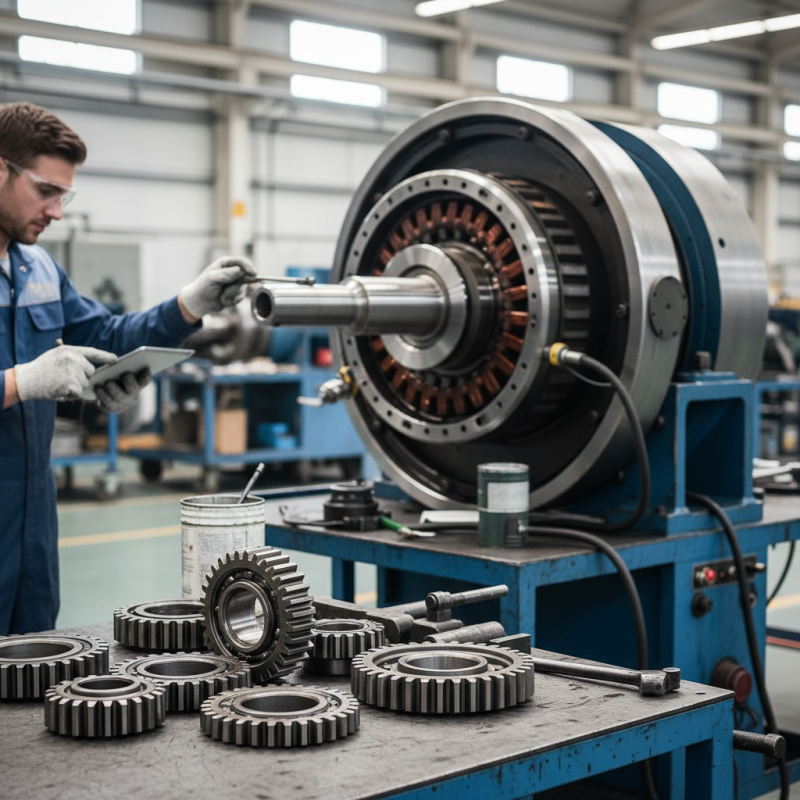
How to Maintain Rotating Machines for Optimal Performance?
Rotating Machines are essential to various industries. They drive productivity and efficiency. However, many overlook their maintenance. Neglecting this crucial aspect can lead to significant performance issues.
Proper upkeep of rotating machines is vital. Regular checks can prevent sudden breakdowns. It involves monitoring vibration levels, lubricating parts, and ensuring proper alignment. Each machine has unique requirements, making tailored maintenance plans important. Ignoring these factors can result in costly repairs and downtime.
Moreover, operators often face challenges in routine inspections. Sometimes, they miss subtle signs of wear. This oversight can spiral into bigger problems. Hence, understanding how to maintain rotating machines effectively is key. Recognizing potential issues early can make a substantial difference in their longevity and efficiency.
Understanding the Importance of Maintenance for Rotating Machines
Rotating machines are key players in various industries. Their performance directly impacts operational efficiency and productivity. Neglecting maintenance can lead to costly breakdowns. Understanding the significance of routine maintenance is vital for ensuring these machines run smoothly.
Regular inspections should be part of your maintenance routine. Check for signs of wear and tear, unusual vibrations, or unexpected noises. These can indicate underlying issues. Practice proactive monitoring to catch problems early. Use tools to measure temperature and vibration levels. This data is invaluable in preventing failures.
Tips: Keep detailed records of maintenance activities. This helps identify patterns over time. Consider involving your team in maintenance discussions. They often notice small changes that can lead to bigger issues. Stay informed about best practices in the industry. Incorporating innovative maintenance strategies can lead to better outcomes.
Don't overlook minor details. Even small components can affect overall performance. Schedule downtime strategically. While it may seem disruptive, it’s often necessary. Recognize that maintaining rotating machines is an ongoing process, not a one-time effort. Embrace the learning curve and adapt as necessary.
Common Types of Rotating Machines and Their Applications
Rotating machines play a crucial role in various industries. Common types include electric motors, turbines, and pumps. Electric motors account for approximately 65% of industrial energy consumption, highlighting their importance in daily operations. They are found in everything from household appliances to manufacturing facilities. Turbines, often used in power generation, can be categorized into steam, gas, and wind turbines. They convert energy into mechanical power, making them essential for energy production.
Pumps, another key type, are vital in sectors like water supply and chemical processing. According to industry reports, pumps constitute around 15% of a plant's energy costs. Their efficiency can significantly impact operational costs. However, maintaining these machines can be a challenge. Regular inspections are crucial, yet many facilities neglect this aspect. Vibration analysis can provide insights into potential issues, but not all operators utilize this method. Failure to address wear and tear can lead to unexpected outages, affecting overall performance.
Optimizing maintenance practices is necessary. Many industries report that up to 30% of their rotating machines operate inefficiently. This inefficiency can stem from misalignment or improper lubrication. Such issues are often overlooked due to budget constraints or lack of training. Investing in maintenance training is essential for staff. Inadequate maintenance leads to increased downtime. Awareness of these problems is the first step towards improvement.
How to Maintain Rotating Machines for Optimal Performance?
| Machine Type | Applications | Common Issues | Maintenance Tips |
| Electric Motors | Pumps, Fans, Conveyors | Overheating, Unusual Noise | Regular Lubrication, Clean Air Filters |
| Generators | Electricity Generation | Vibration, Fuel Contamination | Change Oil Regularly, Inspect Fuel System |
| Turbines | Power Generation, Water Pumping | Leakage, Mechanical Failure | Regular Inspections, Monitor Performance |
| Compressors | Refrigeration, Pneumatic Tools | Overheating, Air Leaks | Check Seals, Regularly Change Filters |
| Fans | Cooling, Ventilation | Imbalance, Noise | Ensure Proper Alignment, Maintain Cleanliness |
Key Components to Inspect Regularly in Rotating Machines
Regular inspections are crucial for rotating machines. Key components include bearings, shafts, and seals. Bearings support the rotating parts and must be well-lubricated. Insufficient lubrication leads to increased friction and potential failure. Check for signs of wear or unusual noises. A small issue can escalate quickly if neglected.
Shafts transmit power and are subject to stress. Inspect them for any signs of wear or deformation. Ensure that they are properly aligned; misalignment can cause vibration and other problems.
Seals play a critical role in maintaining integrity. They prevent leaks and protect internal components. If seals degrade, fluids may escape, leading to significant damage.
Regular maintenance should include visual inspections and performance monitoring. Record any irregular findings for further analysis. This practice fosters a proactive approach to machine care. Sometimes, it’s easy to overlook smaller parts in the maintenance process. Yet, these parts often impact overall performance.
Best Practices for Routine Maintenance and Troubleshooting
Routine maintenance of rotating machines is crucial for optimal performance. Regularly check bearings for wear and lubrication. A small noise might indicate a larger issue. Listen closely. Inspect belts and couplings as well. A frayed belt can lead to inefficiencies. Don’t ignore these warning signs.
Troubleshooting can be tricky. Vibration analysis is key. Uneven vibrations often signal misalignment. Use a vibration meter to assess the machine’s health. Temperature fluctuations also provide important clues. If temperatures rise unexpectedly, it may lead to failure. Address these problems immediately.
Documentation is essential. Keep a log of maintenance activities and any anomalies. Patterns in data can reveal recurring issues. It’s easy to overlook small details, but they matter. Relying solely on visual inspections isn't enough. Regular checks and detailed observations will foster better performance over time.
Monitoring Technologies for Enhancing Performance of Rotating Machines
Monitoring technologies play a crucial role in maintaining the performance of rotating machines. These technologies allow operators to track key metrics like temperature, vibration, and speed. By using sensors and advanced software, insights into machine health become available in real time. This proactive approach reduces unexpected downtime and enhances overall productivity.
Tips: Regularly calibrate sensors to ensure accuracy. This step often gets overlooked. Inaccurate readings can lead to unnecessary maintenance or, worse, catastrophic failures.
Implement predictive maintenance strategies. These rely on data analytics to forecast when a machine might fail. Waiting for machines to break down is outdated. Monitoring patterns helps identify potential issues before they escalate, saving both time and costs.
Adopt a culture of continuous improvement. Train staff to interpret data effectively. Mistakes in understanding can skew maintenance approaches. Periodic review of monitoring results is essential to ensure all systems function optimally. This practice not only enhances performance but also boosts team morale, fostering a sense of ownership.