top of page

Why Choose To Go Containers for Takeout Food Packaging?

Why do restaurants, cafés, and delivery kitchens increasingly choose To Go Containers for takeout food packaging? The answer begins with a customer’s practical need: a meal that arrives intact, warm, and easy to handle. In busy service, a sturdy container can protect sauced noodles, crisp vegetables, or a carefully layered dessert. A secure lid also reduces spills during a short car ride. From hands-on foodservice experience, packaging affects more than appearance. It influences portion control, packing speed, temperature retention, and the customer’s final impression.

Material choice requires professional judgment. Paperboard containers can support branding and feel comfortable in the hand. Plastic options may provide clear visibility and dependable leak resistance. Fiber-based formats can suit businesses seeking lower-impact choices, but their performance depends on coatings, moisture, and local disposal systems. No container solves every problem. A vented lid may preserve fried food while allowing heat to escape. Yet excessive venting can leave a meal cooler than expected. That trade-off deserves testing.

Reliable operators should examine container strength, closure quality, stackability, and food compatibility before ordering in bulk. They should test real meals, not empty samples, during peak service. Ask practical questions. Does the base soften? Can staff close it quickly? Will the label remain readable beside hot food? Supplier specifications and independent packaging guidance can support these decisions, but direct trials remain essential. To Go Containers can improve takeout operations, although thoughtful selection matters more than attractive packaging alone.
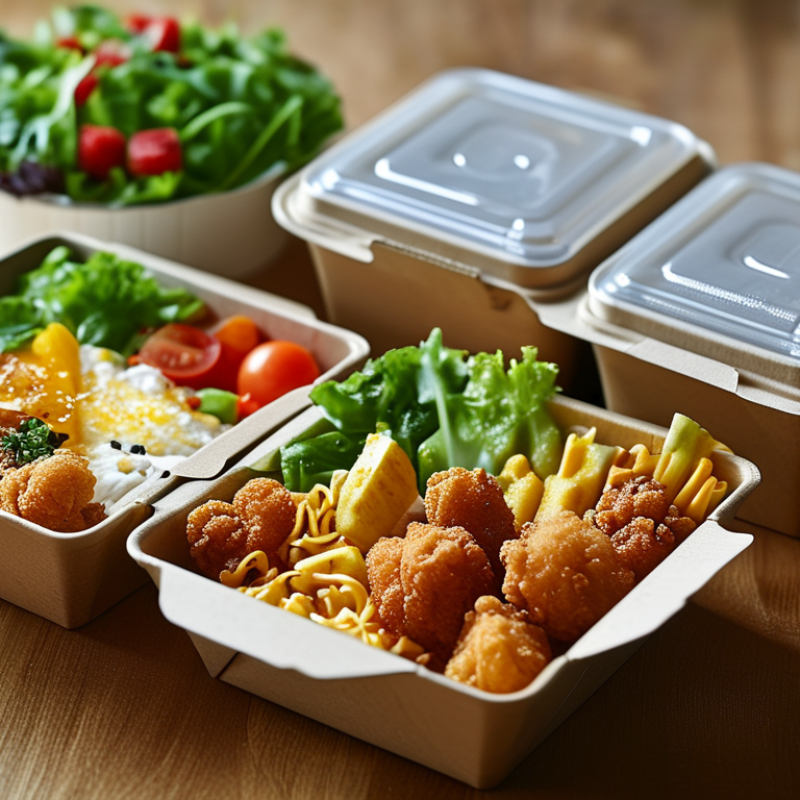
Why Choose To Go Containers for Takeout Food Packaging?

What Are To-Go Containers and How Are They Used?

To-go containers are food packaging designed for meals leaving a restaurant, café, or catering kitchen. They hold food during pickup, delivery, and short-term storage. Common options include paperboard boxes, molded fiber trays, plastic tubs, and aluminum containers. Each material handles heat, moisture, and pressure differently.

A useful container should match the food, not just the portion size. Soup needs a tight lid and a stable base. Fried food needs ventilation, or steam can soften the crust. Sauces require leak-resistant seams. I have seen oversized boxes make meals look incomplete, while cramped containers crush delicate ingredients. That small choice affects presentation and customer trust.

In busy kitchens, staff usually fill containers on a clean packing surface. They check the lid, wipe the rim, and add labels when ingredients or reheating details matter. Containers should be suitable for the intended temperature and use. A package marked microwave-safe still needs careful handling, because lids may warp or vents may release hot steam. Do not guess.

Good packaging also supports transport. A stackable shape saves counter space and reduces tipping inside delivery bags. Clear lids help workers verify orders quickly. However, transparency is not always better; hot foods may lose heat faster in some designs. Packaging decisions need testing with real meals, real travel times, and occasional mistakes. That is where the weak points appear.

Which Materials and Designs Fit Different Takeout Foods?

Choosing a takeout container starts with the food’s texture, temperature, and moisture. A light paperboard box suits sandwiches, burgers, and dry pastries because it is sturdy and easy to stack. However, a greasy filling can soften untreated paper quickly. A grease-resistant coating helps, but it may affect recycling options in some local systems.

Fried food needs air. Vented molded fiber or paper containers let steam escape, helping fries and fried chicken stay crisp longer. Tight plastic lids often trap condensation and create a soggy surface.

For soups, curries, and sauces, leak-resistant polypropylene containers offer better protection during transport. Their secure lids also reduce spills when a delivery bag moves. Check whether the container is suitable for hot food and microwave heating. Not every plastic container is designed for both.

Salads and cold desserts benefit from clear, rigid lids that display the contents and prevent crushing. Fiber bowls can work well for grain bowls, but their seams need careful testing when dressing is added. During practical packaging trials, a container may perform well for ten minutes and fail after thirty. That detail matters.

Portion size, stacking pressure, and travel distance should be tested together. No design is perfect. A slightly heavier container may protect delicate food better, while an oversized box wastes space and allows movement. The best choice balances material performance, food quality, handling comfort, and disposal conditions.

How Do To-Go Containers Protect Food During Transport?

Why Choose To Go Containers for Takeout Food Packaging?

How Do To-Go Containers Protect Food During Transport?

A reliable to-go container acts like a small transport system. It must resist leaks, crushing, heat, and sudden movement. Tight-fitting lids help keep sauces inside when bags tilt or delivery vehicles brake. Strong corners also protect meals from pressure during stacking.

Temperature control matters just as much. The FDA Food Code 2022 recommends holding cold food at 41°F or below. It recommends hot food at 135°F or above. Containers cannot create heat or cold, but suitable insulation slows temperature loss during short trips. USDA FSIS guidance also warns that perishable food should not remain at room temperature for over two hours. In temperatures above 90°F, the limit drops to one hour.

Steam management needs practical attention. A fully sealed lid may preserve moisture, but it can make fried food soft. Vent openings release steam while reducing pressure inside the container. That balance is imperfect. It depends on the meal, travel time, and filling level. I have found that leaving a small headspace reduces spills, especially with soups and noodles. Containers should also separate hot, cold, and delicate foods when possible. A warm entrée beside chilled vegetables can damage texture before delivery. Surface labels, secure closures, and clean handling provide extra protection, though none replaces careful packing and prompt transport.

What Benefits Do They Offer to Restaurants and Customers?

Why Choose To Go Containers for Takeout Food Packaging?

To-go containers support the habits shaping modern restaurant service. The National Restaurant Association’s 2024 State of the Restaurant Industry Report found that 47% of adults pick up restaurant takeout at least weekly. Customers want food that travels well, stays presentable, and feels safe to handle. A sturdy container can protect crisp edges, prevent sauce leaks, and separate hot and cold items. That small detail matters. It can also reduce complaints and remake costs for restaurants.

For operators, well-designed containers improve portion control and packing speed. Clear labeling helps staff identify meals during busy evening orders. Ventilation is useful for fried food, although too many openings can cool meals quickly. This is where experience matters. One container does not suit every dish. The Food and Agriculture Organization reports that food loss and waste remain significant across the food system, so packaging should support practical preservation without encouraging unnecessary material use. The choice is not always perfect.

Tips: Match the container to the meal. Use vented packaging for fried foods, leak-resistant seals for soups, and separate compartments for delicate sides. Test a packed order after 20 minutes, not only at the kitchen counter. Check lid security, condensation, stacking strength, and customer comfort. Keep material claims specific and verifiable. The U.S. FDA Food Code also recommends protecting ready-to-eat food from contamination during storage and transport. Safety comes before appearance.

Why Choose To Go Containers for Takeout Food Packaging? - What Benefits Do They Offer to Restaurants and Customers?

Benefit Area Typical Packaging Fact Value for Restaurants Value for Customers Important Consideration
Food protection Rigid containers help protect food from crushing, contact, and handling during transport. Fewer damaged meals can support consistent presentation and reduce replacement requests. Meals are more likely to arrive in an organized and appetizing condition. The container size and strength should match the food type and portion weight.
Leak resistance Containers with secure lids, tight rims, and compatible seals are commonly used for soups, sauces, and other moist foods. Helps reduce spills in delivery bags and simplifies order packing. Provides cleaner transport and reduces the risk of leakage in vehicles or at home. No container is leak-proof for every food; lids must be closed correctly and tested with the intended contents.
Heat retention and ventilation Insulating structures retain heat, while vents allow steam to escape and can help limit condensation. Supports better texture for fried, baked, and hot prepared foods during short-distance delivery. Food can remain warmer, while crispy items may be less likely to become soggy. A fully sealed container retains heat but may trap steam; ventilation requirements depend on the menu.
Material flexibility Common options include paperboard, molded fiber, polypropylene, polyethylene terephthalate, and aluminum. Restaurants can select formats suited to hot meals, cold foods, sauces, salads, or desserts. Customers receive packaging that better matches the food’s temperature, moisture, and serving style. Material performance varies; food-contact and temperature instructions should be checked before use.
Microwave convenience Some polypropylene containers are designed for microwave reheating when specifically labeled for that use. Can provide an added convenience feature without requiring customers to transfer leftovers immediately. Makes reheating simpler and may reduce the need for extra dishes. Paper, foam, metal, lids, coatings, and unmarked containers should not be assumed to be microwave-safe.
Portion control Multiple container sizes and compartment designs are available for single portions, combination meals, and separate sides. Supports standardized serving sizes and can help keep sauces or side dishes separate. Improves meal organization and helps preserve the intended presentation. Oversized packaging can increase material use and movement inside the delivery bag.
Storage and transport Stackable containers and nesting designs can use storage space more efficiently than irregular packaging. Can make back-of-house storage, order assembly, and delivery-bag organization more manageable. Orders are easier to carry and less likely to shift when containers fit securely together. Stacking should not block vents or place excessive pressure on delicate foods.
Hygiene and single-use handling Single-use food containers are supplied clean and are intended to reduce the need for washing after service. Streamlines service and avoids the return, cleaning, and storage of reusable dining ware for off-premises orders. Offers convenient takeout service without requiring customers to return packaging. Containers should be stored, handled, and closed according to applicable food-safety procedures.
End-of-life options Recyclability or compostability depends on the material, food residue, local collection systems, and facility acceptance. Clear disposal guidance can support sustainability goals and reduce incorrect waste sorting. Customers can make more informed disposal choices when instructions are easy to understand. A “recyclable” or “compostable” label does not guarantee acceptance in every local program.
Brand communication A clean, well-fitted container can present the meal consistently and may include space for handling or disposal instructions. Consistent packaging can reinforce operational standards and improve the overall takeout experience. A secure and attractive package can increase confidence in the order before the meal is opened. Packaging should prioritize food safety and function; unnecessary decoration can add material and cost.

Note: Actual performance depends on container design, material thickness, food temperature, transport time, sealing method, and local recycling or composting requirements.

How Can Businesses Choose To-Go Containers Responsibly?

Responsible takeout packaging begins with evidence, not attractive sustainability claims. The U.S. EPA’s 2018 Facts and Figures report recorded 82.2 million tons of containers and packaging in municipal solid waste. Eurostat reported 188.7 kilograms of packaging waste per EU resident in 2021. These figures make material reduction a practical business issue.

Measure first. Restaurants should track order size, food temperature, sauces, delivery time, and leakage. A container should protect food without excessive empty space. It should also close securely and remain stable on a motorcycle or delivery shelf.

Vents can preserve crisp textures, while tight seals help prevent soup from reaching the paper bag.

Not every fiber box wins.

Businesses should request food-contact declarations, temperature limits, recycled-content details, and disposal guidance from suppliers. Local requirements differ, so documentation needs regular review. Compostable materials can fail when local facilities cannot process them. Recyclable materials can also lose value when covered with food residue. The U.S. EPA has repeatedly emphasized that waste prevention ranks above recycling in its waste-management hierarchy.

A small pilot is more reliable than a large assumption. Test containers with real meals for 30 minutes, then inspect leaks, softening, odor transfer, and customer handling. A lighter package may reduce material use, yet damaged meals create new waste and complaints. The difficult question is not whether a container sounds green. It is whether its full use cycle performs responsibly.

bottom of page